


Why a Level Trailer is Essential for Safe Towing
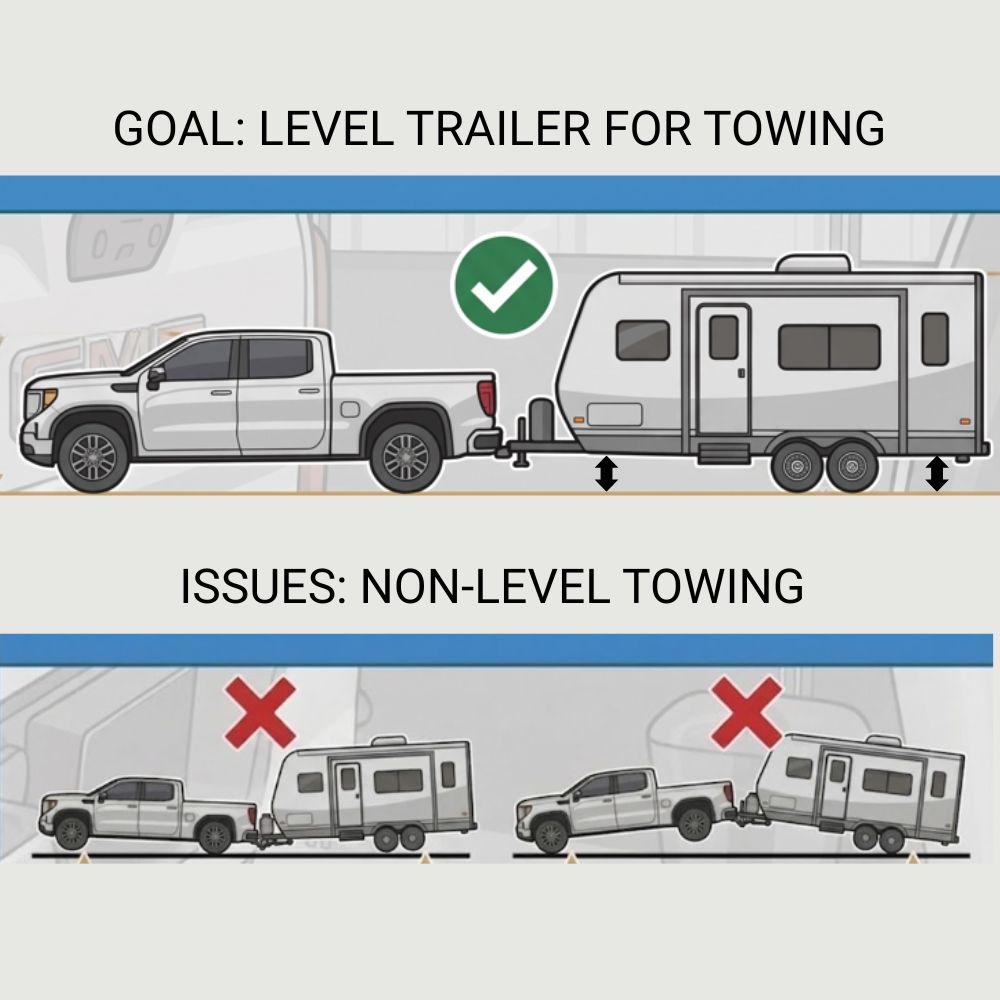
Achieving a level tow is the foundation of a safe haul and towing experience. When your trailer sits perfectly horizontal, you ensure the weight is distributed exactly as engineered, protecting your equipment and your safety.
- Maximum Stability: A level pickup and trailer helps prevents trailer sway in the first place. Sway problems is the leading cause of highway towing accidents.
- Better Handling: If your tow vehicle is squatting it takes weight of front tires reducing steering and brakes. A level pickup & trailer keeps your tow vehicle’s front tires firmly planted, ensuring responsive steering and reliable braking.
- Reduced Wear: Proper alignment prevents “axle overloading” saving you from blown tires and strained suspension systems
- Reduces Chances of Sway: If your trailer tongue is too high, it puts weight on rear trailer tires which is what causes sway.
Equipment Needed: Tape Measure, Level (optional)
Step 1: Measure the Front of the Trailer Frame
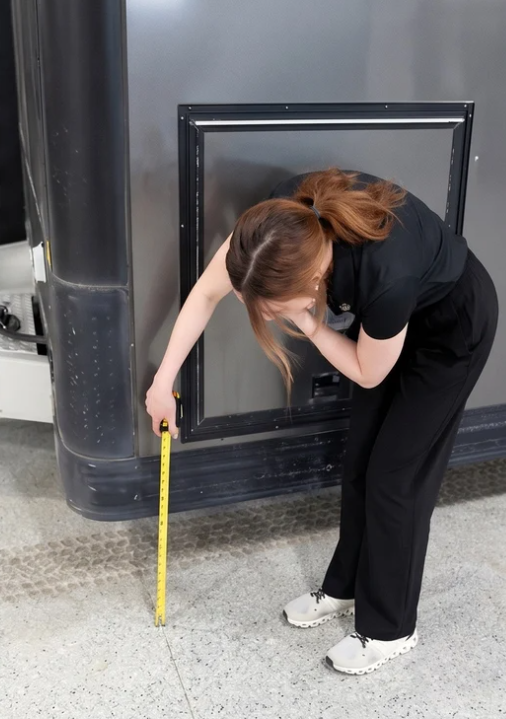
- Find a flat, even surface on the ground directly beneath the front section of the trailer’s main frame.
- Measure straight up from the ground to the bottom edge of the trailer frame.
- Take note of this measurement
Step 2: Measure the Rear of the Trailer Frame
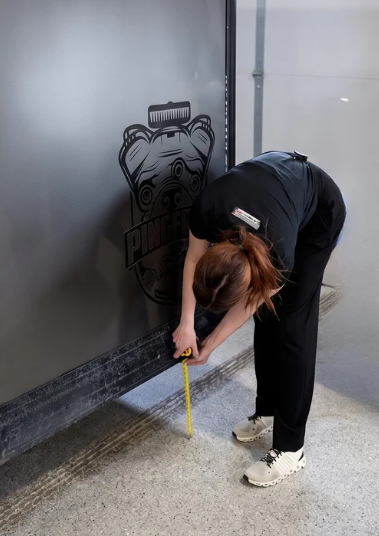
- Walk to the back of the trailer.
- Find a similar spot on the ground directly beneath the rear section of the trailer’s main frame.
- Measure straight up from the ground to the bottom edge of the trailer frame, using the same reference points you used at the front.
- Take note of this measurement
Step 3: Compare Your Measurements
- Compare the number from the front of the trailer to the number from the back.
- If the measurements are identical, your trailer is perfectly level. Once your safety chains are crossed and your lights are plugged in, you are ready to hit the road.
- If the front measurement is noticeably higher or lower than the rear measurement, your trailer is not level, and you will need to readjust your hitch drop or rise to correct the stance.